
Electric Vehicle Chargers for Residential & Commercial
Level 1, Level 2, DC fast charging, and pay-metering EV charger installation for homes and businesses in Norfolk, Brant, Oxford, and Haldimand counties. Dedicated circuits, proper load calculations, permits, and ESA inspection always included.
Home and Business EV‑Charging Stations
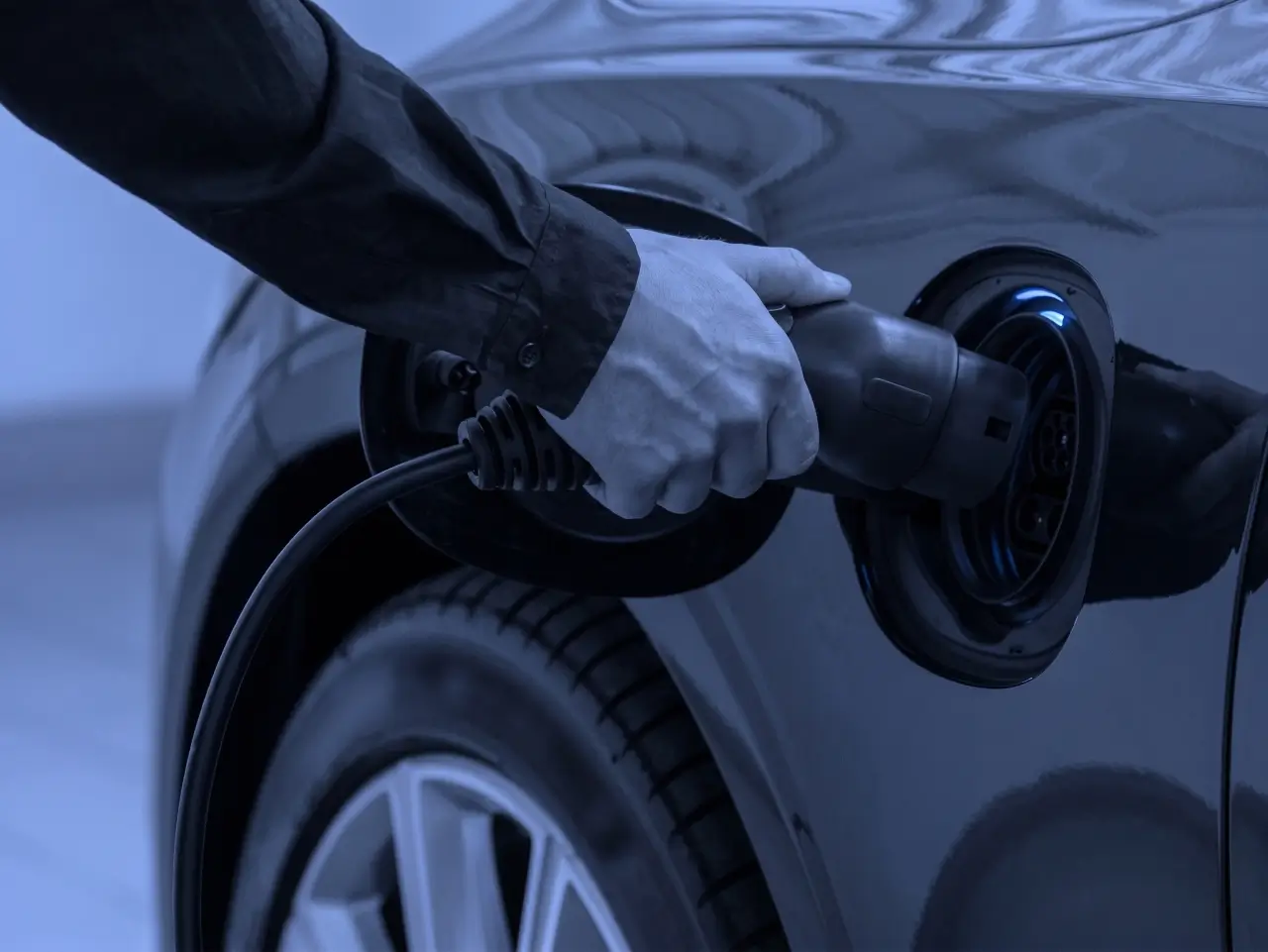
Plugging an electric vehicle into a standard outlet works, until you realize an overnight charge covers about 40 kilometers of range. A properly installed Level 2 charger changes that entirely: full charge overnight, fast enough that you never think about it. But a Level 2 charger needs a dedicated 240V circuit, and depending on the charger and your panel, it might need a service upgrade to run properly.
That's the part most homeowners don't hear about until after they've bought a charger. We check your panel's available capacity before quoting, run the dedicated circuit the charger actually needs, and pull the permit so the install is ESA inspected. Same for commercial: workplace charging, fleet yards, multi-unit residential, and public installations all get the same load calculation up front.
Start Your EV charging Station Quote
Manufacturer-Backed EV‑Charging Systems
Electric Avenue
We install Electric Avenue charging systems, a Canadian-owned brand offering smart Level 2 and DC fast charging built for Canadian climates. Their Watti Home charger handles residential installs, the Watti Pro line covers commercial and workplace charging, and Watti Direct scales up to DC fast charging for fleets and high-demand sites. Every system connects to their app and software for monitoring, scheduling, and load management.
What Electric Avenue Provides

Residential Level 1 & Level 2 EV Charger Installation
Home charging is where most EV drivers actually charge, day in and day out. We install both Level 1 and Level 2 chargers depending on your daily driving and panel capacity, with proper wiring, permits, and inspection.
Most residential installs complete in a single day when panel capacity is sufficient. If your panel needs an upgrade to support the charger, we quote both together so you see the full picture.
How to Choose Between Level 1 and Level 2 Home Charging
Level 1 uses a standard 120V household outlet, typically 15 or 20 amps. It adds roughly 3 to 5 miles of range per hour of charging, or 40 to 50 miles over an overnight session. It works fine for low-daily-mileage drivers, plug-in hybrids, and second vehicles.
Level 2 uses a dedicated 240V circuit, typically 30 to 60 amps. It adds 20 to 40 miles of range per hour depending on the charger's amperage and your vehicle's onboard charger. That's full-charge-overnight territory for most EVs, and enough to top up during a lunch break for shorter trips.
Which one you actually need depends on
Commercial EV Charger Installation for Ontario Businesses
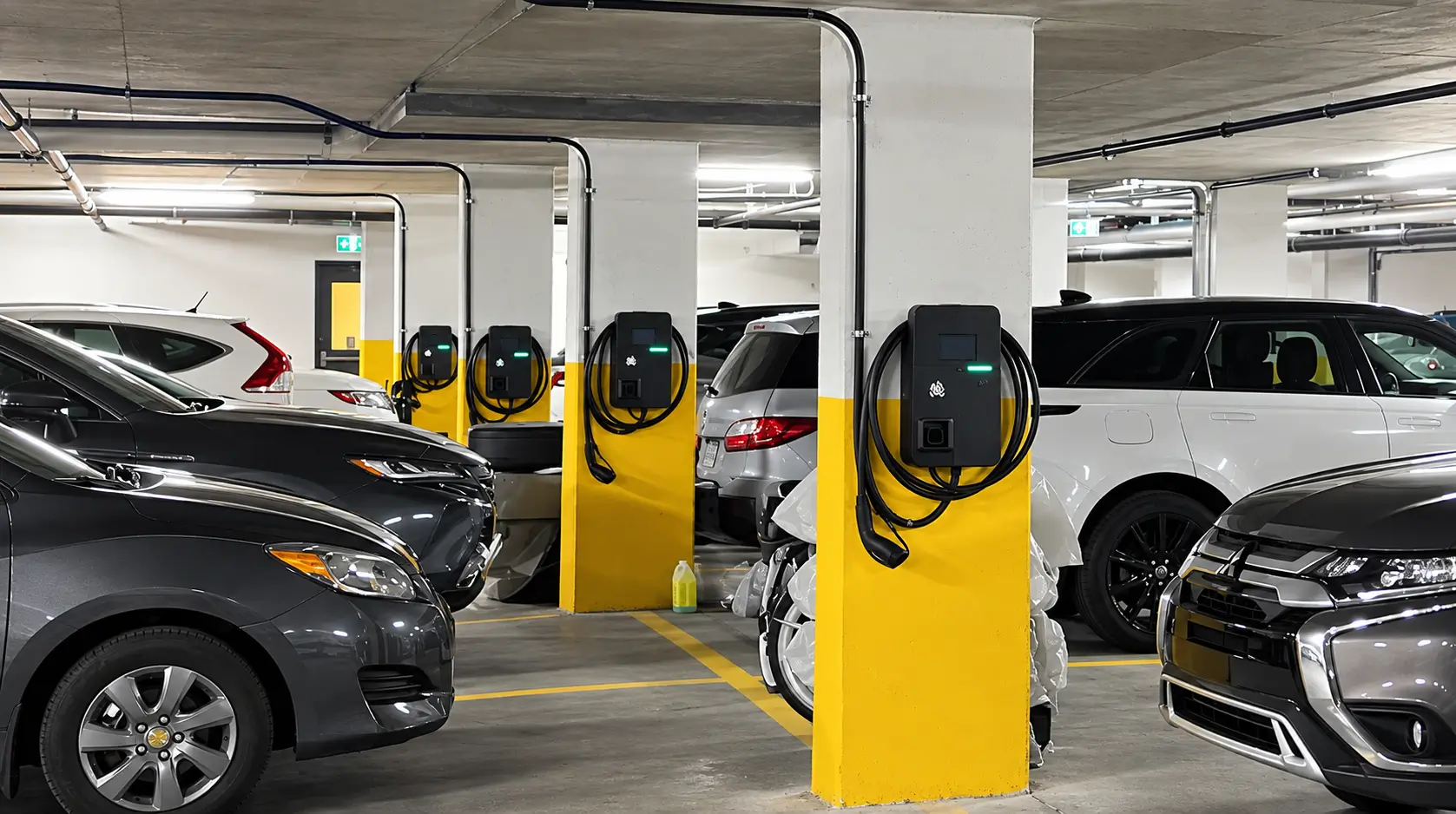
Workplace charging is increasingly part of employee benefits packages. Customer-facing EV charging is starting to be expected at retail, restaurants, and hospitality properties. We install commercial charging stations from a single station for one company vehicle to networked banks of chargers with load management and billing software.
Commercial EV charger installation
Fleet Vehicle Charging for Ontario Businesses
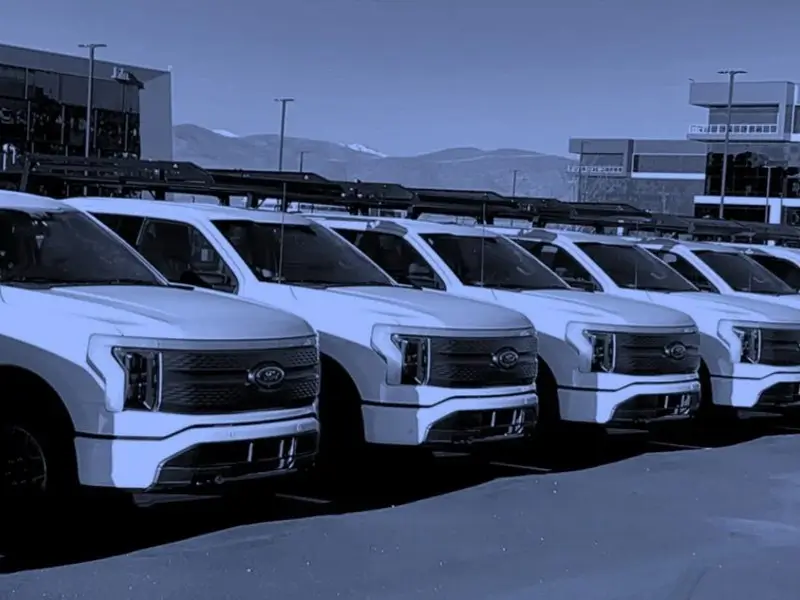
Fleet electrification requires more planning than a single home install. Multiple vehicles charging simultaneously can pull enough current to require a service upgrade, and coordinated charging (charging on off-peak rates, sequencing vehicles to avoid demand spikes) can save meaningful money over the life of the install.
Fleet charging work
Common Questions About EV‑Charging Systems
Most home installations take a single day. Longer if a panel upgrade is required.
Yes. Any hardwired EV charger install (and most plug-in installs) requires a permit and ESA inspection. Skipping the permit voids insurance and creates issues if you sell the house.
The charger itself can be mounted by anyone, but the circuit installation must be done by a licensed electrician and permitted. We handle both together to make the ESA inspection cleaner.
Level 2 chargers we install typically cover the full range of consumer EVs available today. If you upgrade to a vehicle with much higher onboard charging capability, we can revisit the circuit sizing.